Homegrown satellite — Cyprus Prepares to Launch Its First Homegrown Satellite in 2026 with NASA
With an eye towards future developments, Cyprus is also preparing to host the upcoming EU Space Days in 2026 during its Presidency of the Council of the European Union.
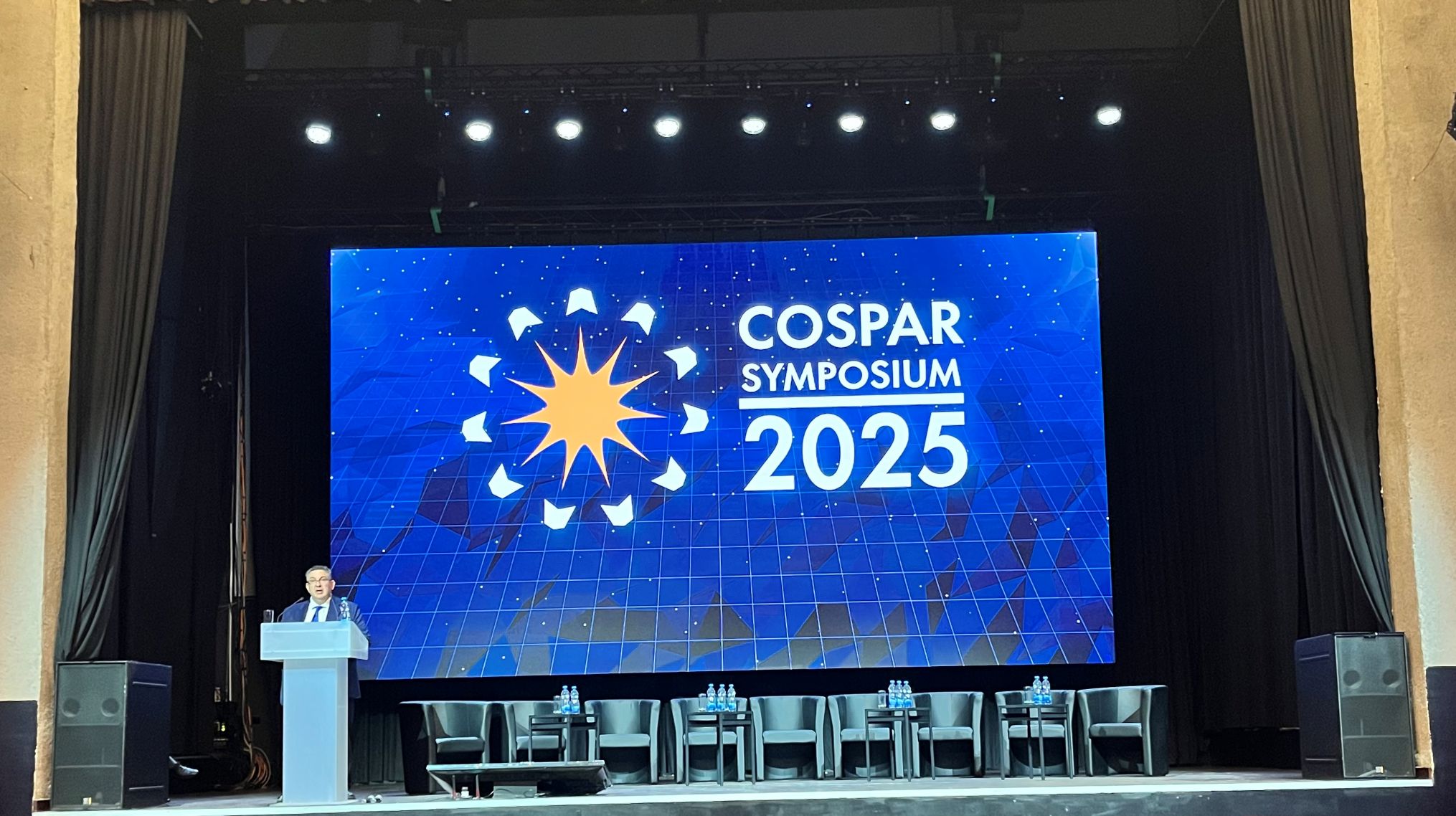
The announcement was made by Chief Scientist Demetris Skourides during the opening of the 6th COSPAR Symposium held in Nicosia from November 3 to 7, 2025. This event gathered over 90 organisations from more than 45 countries, including prominent space agencies like NASA, ESA, JAXA, and ISRO.
Skourides welcomed delegates to Cyprus, highlighting the country’s strategic vision of becoming a regional hub for research and innovation. He stated, “Hosting one of the world’s most significant gatherings for space research is not a coincidence but a validation of Cyprus’ strategic vision and its determination to become a regional hub for research, innovation, and high technology.”
Central to this vision is the Cyprus Space Research and Innovation Centre (C-SpaRC), a landmark facility funded by the Research and Innovation Foundation (RIF) with a budget of €2.5 million. This centre is designed to enhance Cyprus’ participation in European and global space missions, providing cutting-edge facilities for rapid prototyping, production, and space testing.
Skourides described C-SpaRC as “a new chapter in Cyprus’ space capabilities,” emphasising its role in advancing research in areas like AI-driven space-weather forecasting and satellite manufacturing. He noted the importance of Cyprus achieving Associate Membership in the European Space Agency (ESA) in 2023 and signing the Artemis Accords with NASA in 2024, both of which reinforce the island’s position in international space exploration.
Cyprus’ national space strategy prioritises global partnerships, education, and capacity building, aiming to inspire future generations in the fields of science and engineering. Skourides remarked, “Cyprus recognises that space is not the domain of a few nations but the frontier of all humankind.”
In an address delivered on behalf of the President of the Republic of Cyprus, Georgios Komodromos praised the symposium as a significant gathering for space research. He highlighted the importance of space as a strategic pillar for communication, navigation, and climate monitoring, asserting that “space has become an enabler of progress for all.”
The symposium featured notable figures such as Professor Pascale Ehrenfreund, President of COSPAR, who expressed her excitement for the week ahead, which promises significant scientific exchange. The event serves as a platform for dialogue and collaboration in space science and technology.
Moreover, the signing of the Nicosia Space Accords was announced, which aims to strengthen global cooperation in space activities. Komodromos noted that these accords exemplify science diplomacy, fostering trust and peace through shared scientific endeavours.
With an eye towards future developments, Cyprus is also preparing to host the upcoming EU Space Days in 2026 during its Presidency of the Council of the European Union.
As the symposium progressed, discussions included the geopolitical implications of space exploration, with European Parliament Member Costas Mavrides advocating for greater investment in the sector to strengthen Europe’s position in this strategic domain. He called for a European crisis management centre to be based in Cyprus, emphasising the role of space technology in addressing regional challenges.
Marios Tannousis, Chief Executive Officer of Invest Cyprus, highlighted the importance of international partnerships in growing the national space ecosystem. He reiterated Cyprus’ commitment to supporting this dynamic sector as part of its innovation and investment strategy.
As the event concluded, Skourides participated in discussions with other space leaders, including representatives from various space agencies. The symposium culminated in a public festival, inviting citizens to meet astronauts and explore the wonders of space, further engaging the community in the growing field of space exploration.