Cyprus Engages in Kuwait Talks on Digital Prosperity
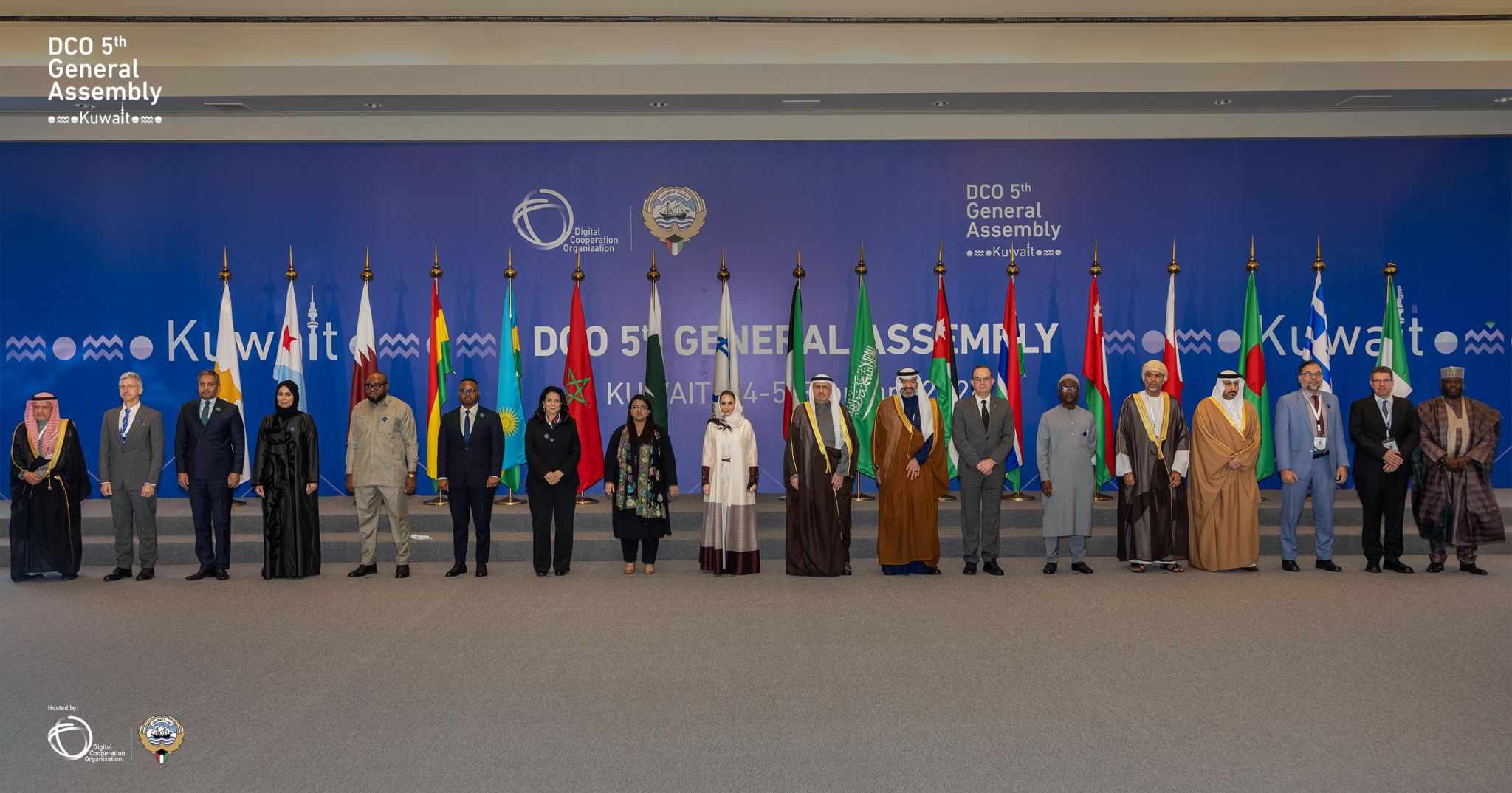
Digital prosperity: Global Leaders Convene to Shape Digital Cooperation
The assembly is a significant platform for shaping international digital policies, focusing on collaborative efforts to govern the rapid advancements in AI technology. During the opening session, the discussions swiftly addressed the pace of AI development and the limitations of existing governance frameworks.
UN Secretary General Calls for Global Action
In a video message, UN Secretary General António Guterres highlighted the urgency for collective action, stating that AI is progressing faster than regulatory frameworks can manage. He stressed, “Humanity must steer artificial intelligence together,” advocating for the United Nations to lead new initiatives on AI governance in partnership with the DCO.
Governance Challenges and Global Digital Divides
DCO Secretary General Deemah Al Yahya echoed these sentiments, warning that governance is lagging behind technological advancements. She noted that disparities in access to infrastructure and capital could exacerbate global digital divides. “AI is reshaping societies and industries, but the question is who will benefit,” she remarked, calling for inclusive multilateral action to ensure that innovation translates into shared prosperity.
Kuwait’s Leadership in Digital Transformation
As the 2025 Council President, Kuwait emphasised trust and integrity as central to its digital transformation efforts. During the assembly, it formally launched a campaign aimed at combating online misinformation while promoting cooperation on AI and content integrity.
Reflections from Outgoing Council President Jordan
Jordan, reflecting on its term as the outgoing council president, reported progress on the DCO agenda for 2025–2028, highlighting expanded partnerships and the creation of practical AI readiness tools for member states. This focus on readiness is critical as nations prepare to navigate the complexities of AI integration into their economies.
Pakistan’s Vision for Ethical AI
Pakistan, which is set to assume the presidency in 2026, outlined its priorities regarding ethical AI, digital public infrastructure, cybersecurity, and the development of digital trust corridors among DCO members. This proactive approach aims to foster a safer and more reliable digital environment for all member states.
Regional Perspectives on AI Governance
Saudi Arabia presented the economic significance of the DCO, noting that the organisation now represents around 10% of the global population. The nation has made substantial investments in AI talent, computing capacity, and energy infrastructure, positioning itself as a leader in the digital economy.
Bahrain Advocates for an International AI Treaty
Bahrain called for negotiations toward an international AI treaty, proposing the DCO as a neutral platform to advance responsible AI governance. This suggestion highlights the necessity for a unified approach to AI regulation that transcends national borders.
Human-Centric AI Initiatives
Interventions from several countries, including Oman, Qatar, Morocco, Rwanda, and Bangladesh, centred around developing national strategies focused on human-centric AI. These discussions emphasised the importance of tailored AI applications in critical sectors such as health, agriculture, and public services, reinforcing the need for technology to serve societal needs.
Insights from Greece and Non-Member States
Greece contributed to the dialogue by linking the advancements in AI with the necessity for cloud infrastructure and digital sovereignty. The European Union perspective was pivotal, as it underscored the challenges of keeping pace with AI developments through governmental initiatives.
Non-member and guest states, including China, Kazakhstan, Kenya, and Palestine, also participated in the discussions. They emphasised that AI risks are inherently cross-border, with several speakers warning that emerging AI threats exceed individual nations’ capacities. The consensus was that enforceable global frameworks are essential for managing advanced AI systems.
Ministerial Round Table on AI Governance
The assembly concluded with a closed ministerial AI round table, designed to align understanding on governance gaps, misinformation risks, and the urgent need for binding global mechanisms. This critical session aimed to foster a collaborative approach to addressing the challenges posed by AI.
International Digital Cooperation Forum
Alongside the General Assembly, the International Digital Cooperation Forum took place under the theme of inclusive prosperity in the age of AI. A high-level panel on semiconductors as strategic infrastructure discussed the evolution of chips from commodities to critical assets, highlighting the need for multilateral cooperation.
Experts from various sectors examined topics such as supply chain resilience and the balance of national sovereignty with openness, recognising that no single nation can dominate the semiconductor landscape.
Continued Engagement and Future Discussions
Cyprus, as a member state of the DCO, was represented at the assembly by a designated official, emphasising the island’s commitment to contributing to multilateral digital policy, particularly as AI governance accelerates. The conference is set to continue with further discussions, panels, and bilateral meetings aimed at refining shared priorities for the next phase of global digital cooperation.